
Zacatecas is experiencing a severe educational paralysis—independent of the strike and mobilization carried out by more than 25,000 members of the National Coordinator of Education Workers (CNTE)—as activities have come to a halt in more than 3,800 schools at the basic, upper-secondary, and higher education levels.
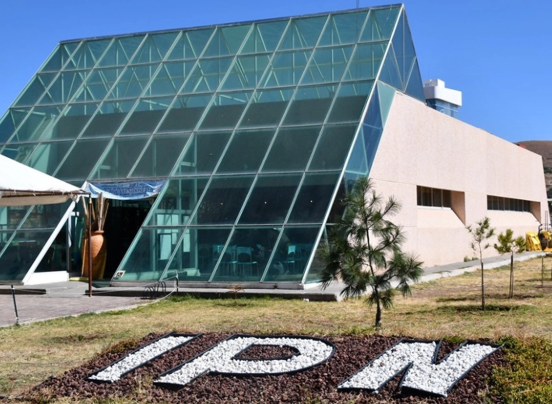
The state educational conflict intensified with the outbreak of a general labor strike at the Zacatecas campus of the National Polytechnic Institute (IPN), located next to the state government’s Administrative City complex.
Dozens of students placed strike flags at the three main entrances of the IPN campus and organized guard shifts as part of their protest against administrators and officials accused of actions that negatively affect students and teachers.
Among the reported irregularities, protesters denounce workplace harassment and intimidation against teachers, unjustified dismissals, threats, misuse of resources, and abuse of authority. Students also complain that sexual harassers and pedophiles are being protected.
Dana Rocha, a student participating in the movement, told this newspaper that the strike was approved through a vote within the student community, with 447 votes in favor and 97 against.
At the Zacatecas IPN campus, there is also a widespread demand for the removal of Arturo Reyes Sandoval, the institution’s national director, due to multiple financial and administrative problems that affect the local campus.
Lack of Transparency in Resource Management
Students explain that there is no transparency in the management of institutional resources, and “this is reflected in the facilities: unpaid utility bills such as more than 100,000 pesos owed for drinking water, lack of classroom maintenance, cancellation of field trips due to lack of funds, and suspension of trips to academic olympiads and other competitions.”
Meanwhile, the Polytechnic University of Zacatecas, located in the city of Fresnillo, marked one full year on strike this week. Its two unions—the workers’ union and the academic staff union—released a statement on social media addressed to parents and students, reiterating their joint demand that “the removal of Rector Juliana Arteaga Carrillo is necessary” before the strike can end, claiming that there is sufficient evidence of financial and administrative irregularities.
At the same time, members of the Independent Union of Telesecundaria Workers of Zacatecas, representing more than 800 schools without classes across the state’s 58 municipalities, completed their second week of a general labor strike. They demand that the administration of Governor David Monreal Ávila fulfill the list of agreements signed with the state government in December 2025, commitments that, according to them, have not yet been honored.
Teacher Indira Chávez, along with other telesecundaria employees in the Fresnillo region, stated:
“We work 35 hours per week, but historically we have only been paid for 31 hours.”
In December 2025, with mediation from local legislators, it was agreed that beginning this year they would be paid for one additional hour, increasing to 32 hours, with gradual improvements afterward.
Teacher Manuel Nicolás García Sánchez explained in an interview that the more than 2,300 telesecundaria teachers in the state have the lowest salaries and most precarious working conditions. In addition to receiving what he described as an “incomplete” salary, they must cover many work-related expenses out of pocket, including long commutes.
In addition, as of yesterday, the strike across the state basic education system continued. The movement began on June 1 and involves more than 25,000 teachers from Section 34 of the SNTE, who are also affiliated with the CNTE. Despite some proposals from the Zacatecas government to address local demands, the teachers continue to maintain their primary demand: the repeal of the 2007 ISSSTE Law, a measure that can only be approved by the federal government.
Source: jornada