The city of Zacatecas is poised to have a depopulated historic center in the future. So far, up to 80% of the inhabitants of the capital’s first square have been lost for various reasons.
The lack of drinking water, lack of parking, and noise and music from clubs until the early hours of the morning are the main reasons why people find it difficult to live in the center and choose to look for other areas to live.
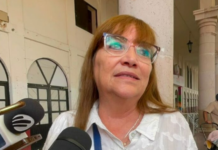
Raquel Ciceley Toribio Rivas, head of the Board of Monuments and Typical Zones of the State of Zacatecas, reported that property owners believe there is a lot of tourism and choose to rent their spaces for hotels, hostels, Airbnb, restaurants, or bars, with prices exceeding 30,000 pesos, but the reality is that “there is a lot of supply and little demand.”
He commented that the historic center must be alive and dynamic, but not through gentrification, which results in businesses closing early and the center becoming deserted.
Although this depopulation doesn’t pose a risk of losing the city’s heritage designations, it can pose a risk of vandalism, because at a certain time there are no more people around.
Twenty-five years ago, the problem centered on Guerrero, Tacuba, and Hidalgo Avenues, where 90% of the buildings were used for commercial purposes. But now, the number of spaces where everything is now business and no one lives there has increased, such as Juan de Tolosa, Genaro Codina, Fernando Villalpando, and Juárez streets.
“People who live in the historic center aren’t given the means to adapt or remodel their homes, and that’s why they leave; they prefer to rent them,” and this even increases the risk of collapse because they abandon them.
For her part, Josefina Nava Sánchez, president of the Association of Friends of Zacatecas Heritage (Apazac), stated that there is no management plan requiring property owners to spruce up their properties.
She commented that downtown residents are confronted by intoxicated individuals who cause various uncomfortable situations when they leave bars, which has also become a factor in their search for alternative homes outside the city center.
She called on the Board for the Protection and Preservation of Monuments and Typical Areas of the State of Zacatecas, the National Institute of Anthropology and History, and the city council to work together to address how to rethink the situation of gentrification in the city.

Source: oem