In recent years, Zacatecas has begun to establish itself as a strategic hub for investment in housing, infrastructure, and modern urban development. This momentum is no accident: it is largely due to the emergence of new projects that not only seek to meet housing demand but also contribute to the local social and economic environment.
One of the pillars of this growth has been the commitment of companies like Grupo Soldi, which promotes socially responsible real estate developments in Zacatecas. This approach not only builds living spaces but also aims to foster community, employment, and well-being in expanding areas.
When a new development arrives in a region, its effects extend beyond housing construction. The impact ranges from the creation of direct and indirect jobs to the revitalization of sectors such as commerce, transportation, education, and services.
In Zacatecas, each new residential development or urban project also represents an opportunity for small local businesses to grow alongside the surrounding community. Hardware stores, grocery stores, beauty salons, daycare centers, and many other businesses find an ecosystem to thrive in these developments.
This synergy between the real estate sector and the local community creates a virtuous cycle that benefits the entire regional economy.
Furthermore, the infrastructure investment that accompanies these projects—streets, lighting, water and sanitation systems—often has a ripple effect that also improves the quality of life in surrounding areas.
Modern developments no longer focus solely on building houses. The trend is to construct integrated communities: with access to safe roads, green spaces, functional public services, and recreational areas. This vision improves the quality of life for residents and strengthens the social fabric.
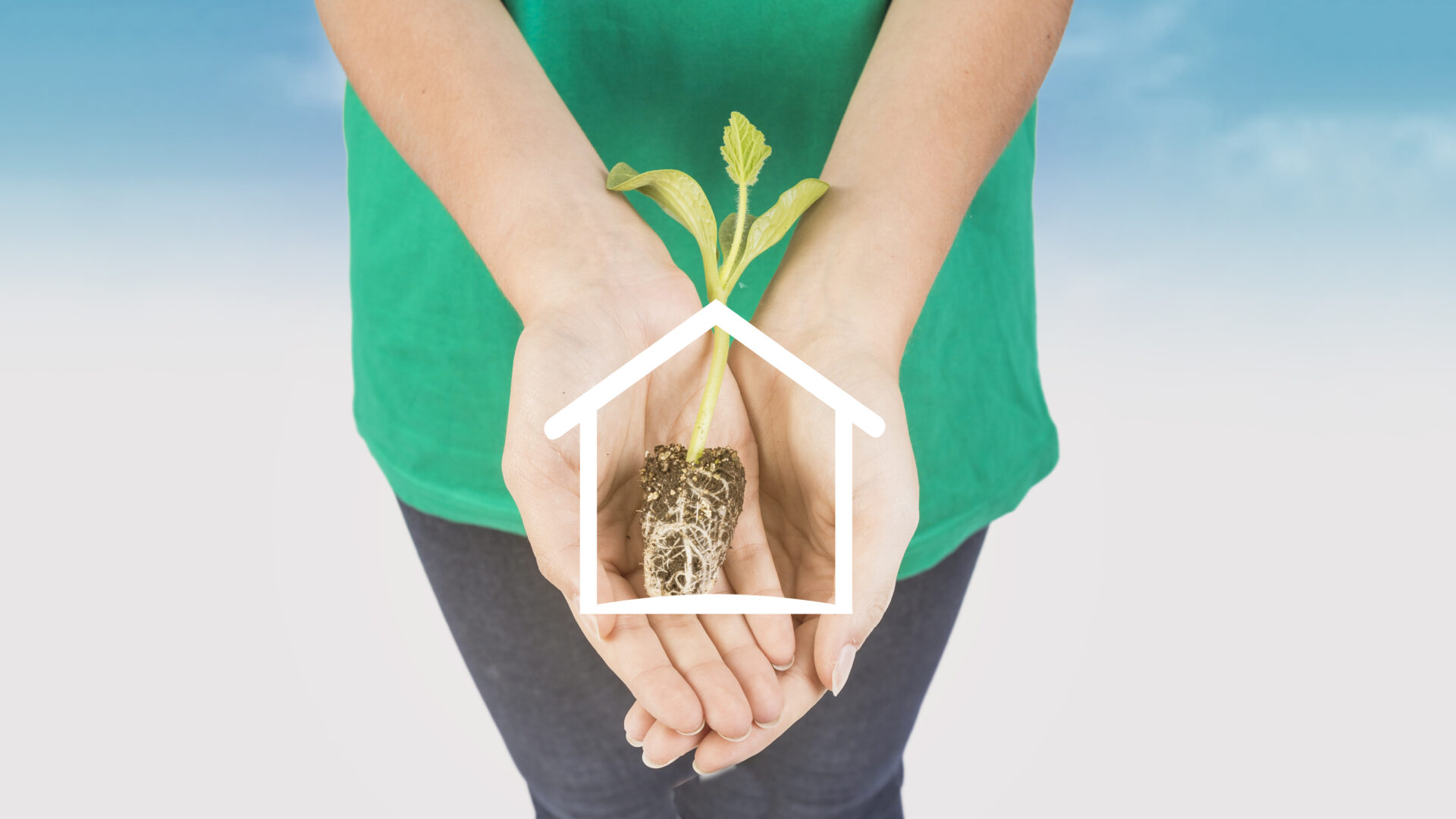
Grupo Soldi, for example, has promoted models where urban growth goes hand in hand with environmental and social responsibility criteria. This translates into better construction practices, respect for the natural environment, and projects that consider the real needs of their future residents.
There is also a focus on creating spaces designed for community and social integration: parks, bike paths, sports areas, and community centers that foster interaction and a sense of belonging.
Unlike other regions that have grown without a clear plan, Zacatecas is committed to smart planning. This involves developing areas with connectivity, access to services, and proximity to employment opportunities. This long-term vision not only improves the present but also consolidates property values for the future.
Additionally, the integration of technologies into urban planning—such as the use of renewable energy, efficient water management, and sustainable mobility solutions—enables current developments to align with international sustainability standards.
Each house built represents much more than a sale: it provides employment for construction workers, architects, engineers, material suppliers, and a network of professionals who find a constant source of opportunities in the real estate sector.
At the same time, the stability offered by decent housing creates conditions that allow families to invest more in education, health, and personal projects. And that stability, multiplied hundreds or thousands of times, translates into more robust and equitable economic growth for the region.
The benefits are also felt in the public sphere, since greater economic activity leads to increased tax revenue, which in turn allows for improvements in services and infrastructure that benefit all the people of Zacatecas.
Zacatecas is making steady progress toward an urban development model that prioritizes collective well-being, respect for the environment, and the creation of real opportunities.
Initiatives like those of Grupo Soldi demonstrate that it is possible to build more than just houses: it is possible to build resilient, modern communities that are prepared for the future.
Source: ntrzacatecas