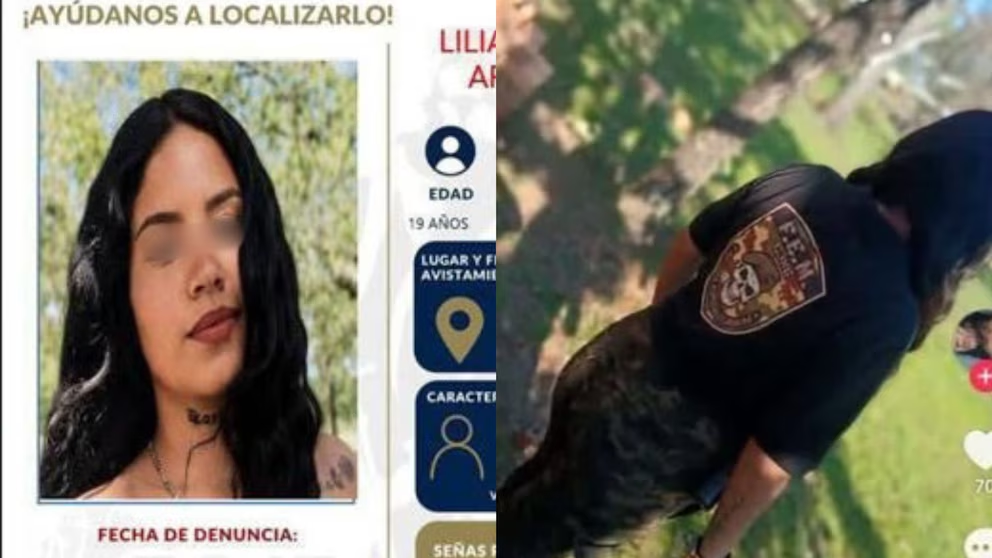

Liliana Elizabeth Arceo García, 23, alias “La China,” was charged with human trafficking in the form of forced labor before a judge in Zacatecas, after an investigation by the State Attorney General’s Office revealed that the young woman—reported missing on August 19—allegedly operated as a recruiter for the Jalisco New Generation Cartel (CJNG) in the northern region of the state.
Two of the seven people found with her in the community of El Durazno, in the municipality of Jerez, directly accused her of forcing them through threats to carry out activities including serving as lookouts, street-level drug dealing, and recruiting more young people for the criminal group.
It all began with the disappearance of four people
According to the investigation, the case involving “La China” points to an interstate recruitment network connecting Jalisco, Zacatecas, Sinaloa, and Michoacán.
The case began on August 19, when Liliana, Cassandra Isabel Mena García, and Cassandra’s one-month-old baby boarded a ride-hailing vehicle in Tlaltenango de Sánchez Román headed to the Civil Registry in Guadalupe. The driver was Flavio César Mayorga González. That same day, communication with all of them was lost.
Flavio’s family filed a missing-person report on August 20; the families of Liliana, Cassandra, and the other women did so on August 21. The Attorney General’s Office activated search notices that same day, including an Amber Alert for the newborn.
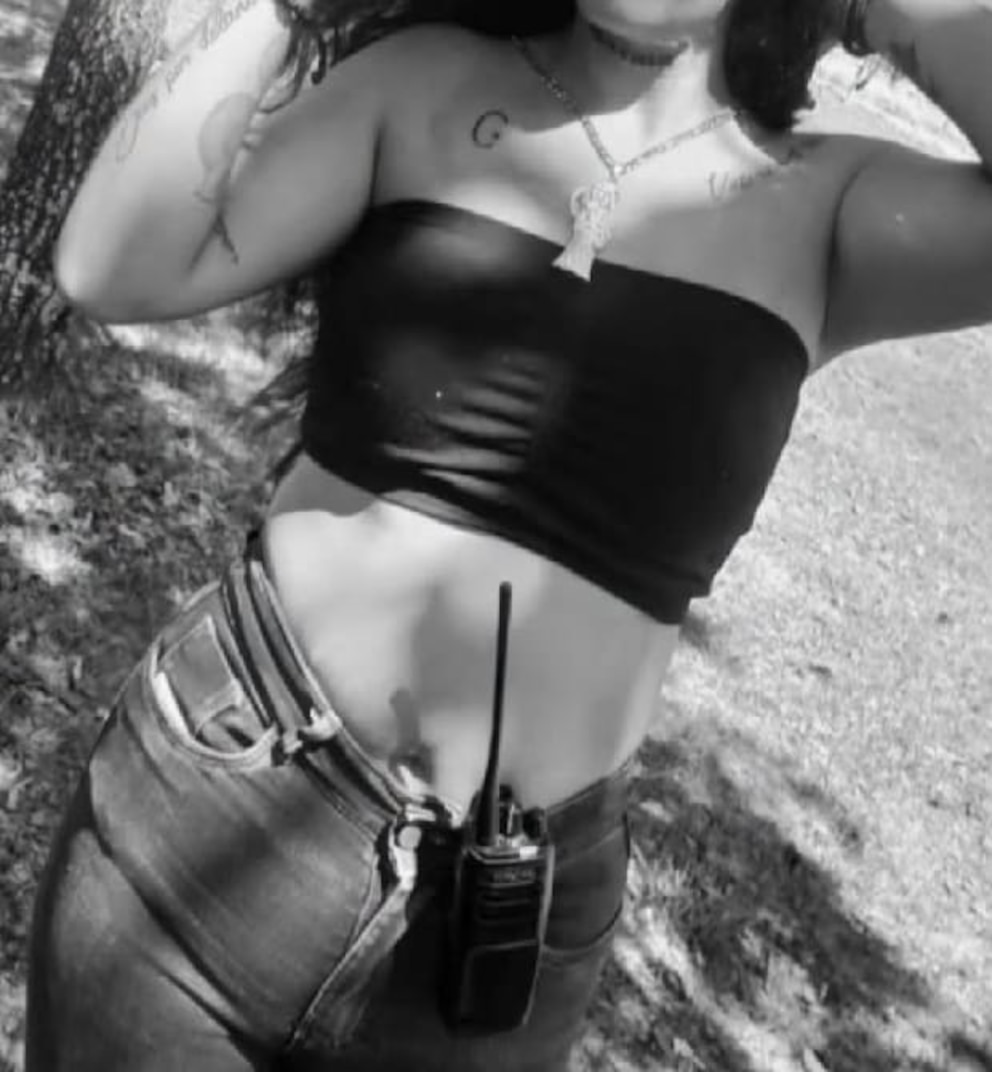
The original notice described Liliana as having visible tattoos: the letter “G” on her right chest, the name “Valeria” on her left chest, and “Evangelina” on her left arm.
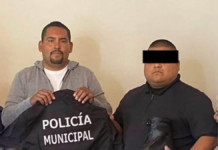
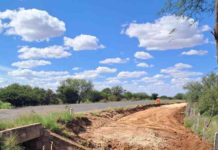
In the early hours of Saturday, August 22, between 1:30 and 1:45 a.m., an anonymous report alerted authorities to the presence of people and vehicles around El Durazno. Officers from the Jerez Municipal Police conducting patrols in the area made contact with the group and confirmed that five of the eight people located had active missing-person notices: Liliana, Cassandra, her baby, María Guadalupe, and Flavio. All eight received assistance from prosecutors, as well as medical and psychological attention.
The investigation detected inconsistencies in the family’s account
During the initial proceedings, the Attorney General’s Office identified contradictions in statements made by Liliana’s relatives regarding her absence and the activities she was involved in.
The agency conducted a cyber investigation and located a Facebook profile associated with her, where it found references to her alleged membership in a criminal group and posts linked to facilitating criminal activities and recruiting people for the CJNG. In one photograph on the profile, the young woman appears carrying a trunked radio.
Based on these indications, the Attorney General’s Office obtained a search warrant for Liliana’s home. During the search, which was conducted in the presence of family members, investigators seized ammunition for firearms reserved for the exclusive use of the Armed Forces, job application forms, copies of voter identification cards belonging to people from Jalisco, and notebooks containing notes related to members and operations of organized crime.
The Attorney General’s Office spokesperson, Mitzi Martínez, told the media that the findings “strengthen the theory of Liliana’s active involvement in recruiting people.”
Based on this evidence, the Specialized Missing Persons Unit carried out an arrest warrant. Liliana was placed at the disposal of a judge for her probable participation in the crime of human trafficking in the form of forced labor. The hearing to determine whether she will be formally bound over for trial is scheduled for this week.
A video points to cartel disputes
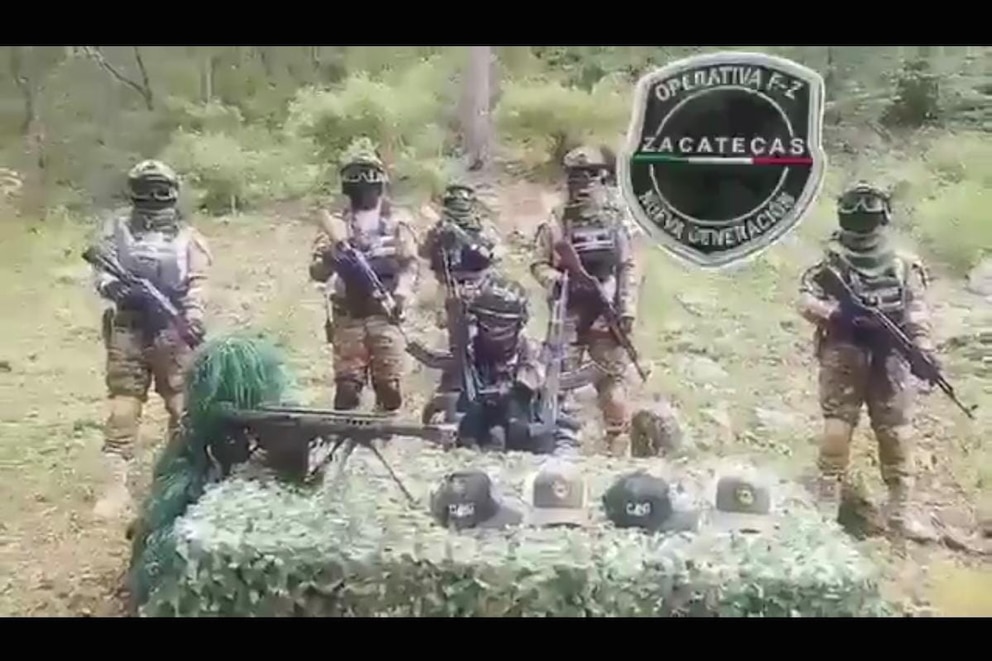
Hours after the arrest, a video attributed to the initials FZ Nueva Generación—identified as the CJNG’s armed wing in Zacatecas—circulated on social media. In it, individuals wearing tactical equipment accused a rival cell of abducting the women and the baby. In the same video, the armed men warned that the release of the people would not stop “the war and the cleansing” they claimed to have begun in the northern part of the state.
The video mentions José Luis and Alejandro Cabrera by name, as well as Ismael Zambada Sicairos, alias “Mayito Flaco,” of the Sinaloa Cartel. In the same message, the group directly accused Attorney General Christian Paul Camacho Osnaya and Governor David Monreal of covering up what actually happened during the release.
According to the video, a commander from the rival group allegedly personally handed the people over at the State Attorney General’s Office facilities during the early hours of August 22, rather than authorities rescuing them. The group urged the Attorney General’s Office of the Republic to investigate personnel from the state agency.
Governor Monreal warns: “victims turned into victimizers”
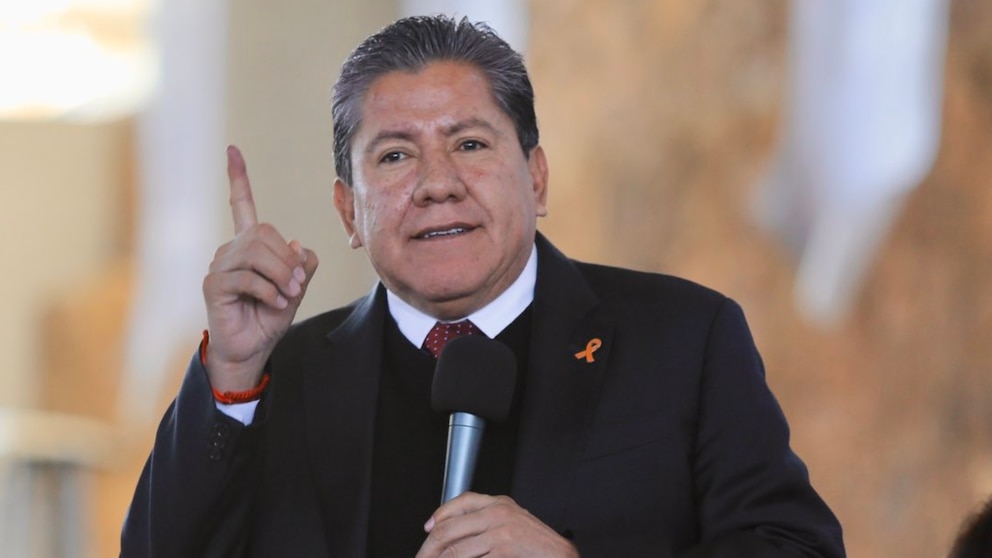
Governor David Monreal responded during a press conference. He acknowledged forced recruitment as a threat that extends beyond state borders and described criminal groups as organizations with national and international “franchises.” Regarding Liliana, he said: “victims turned into victimizers, which is a little game many criminals play, now, in their wickedness and perversity, and in their search for impunity.”
Monreal also referred to 15- and 17-year-old teenagers from Jalisco who were rescued the previous week. They had been recruited to work in Sinaloa; one suffered a gunshot wound to the hand while in captivity, and they had previously been held in Zacatecas, near Florencia de Benito Juárez. “They had not only been kidnapped, but they were already being made to work in criminal activities,” the governor said.
Court files describe forced recruitment as a coercive mechanism targeting adolescents and young people between the ages of 14 and 19. Recruiters use fake profiles on TikTok and Facebook to post job offers with attractive salaries and seemingly simple tasks.
One method that has been detected involves arranging to meet victims at shopping malls or bus terminals. Once they have been lured in, criminals transport them in ride-hailing vehicles and take away their cell phones to cut off their trail. The usual destinations are safe houses or training ranches in Zacatecas, Michoacán, Sinaloa, or Nayarit.
Source: infobae